March 27, 2017 – Pinetop Trails

FINE ART PRINTS AVAILABLE HERE
– – –
OTHER ‘IMAGE OF THE DAY’ PRINTS AVAILABLE HERE

During the first (and only) full day in the Pinetop region, we were disappointed to see that a lot of the roadways were closed off. Many of them are closed down during the winter due to heavy snowstorms. We weren’t able to go to a couple of the locations we wanted, forcing us into an impromptu day-trip. Rather than following an itinerary, we drove where the mood took us.

“Should I go left or right,” she’d say as we approached a fork in the road.
“I dunno. How ’bout left?”

It’s a surefire way to see things you wouldn’t expect, including one of the most depressingly impoverished towns on the indian reservation, White River. It felt like an industrial purgatory, and it was sad to see huddled beggars kicking stones in the parking lot, asking shoppers for food and money as they brought their groceries to their car.

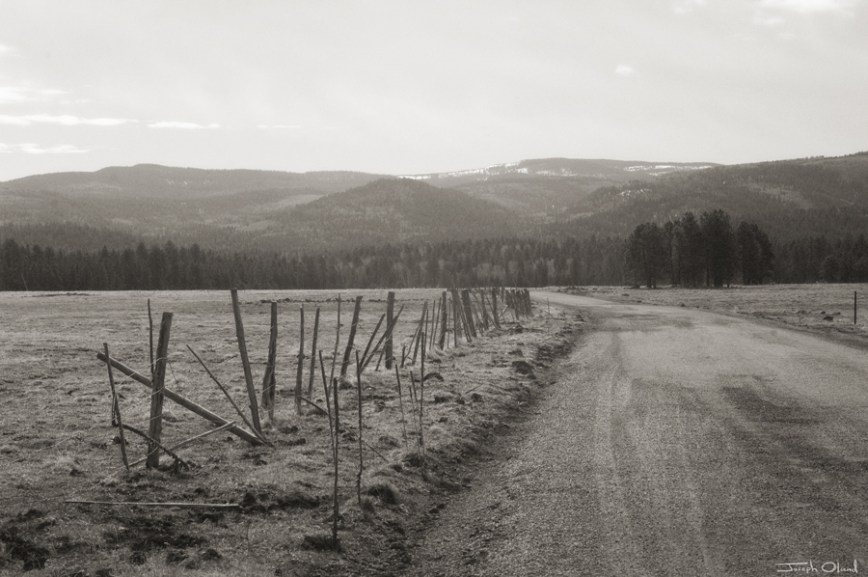
But in these small communities, and in the outlying primitive roads, there’s a lot of old-world beauty. As I looked through my photographs at the end of the day, I was struck by how timeless many of them looked, reminding me of old photographs I’ve picked up at estate sales, or dug out of of my grandparent’s shoe-boxes. The image above was, in particular, reminiscent of a lot of old west photographs I’ve stumbled across in my years living here in Arizona.

SEE YESTERDAY’S IMAGE OF THE DAY
– – –
SIGN UP FOR THE LENSEBENDER NEWSLETTER

March 26, 2017 – The Road To Globe

FINE ART PRINTS AVAILABLE HERE
– – –
OTHER ‘IMAGE OF THE DAY’ PRINTS AVAILABLE HERE

In another diversion from ‘Mexico in March,’ I need to break from the theme for my short little trip to Pinetop, Arizona. But hey – in an abstract kind of way, this territory was, once-upon-a-time, Mexican territory anyway.

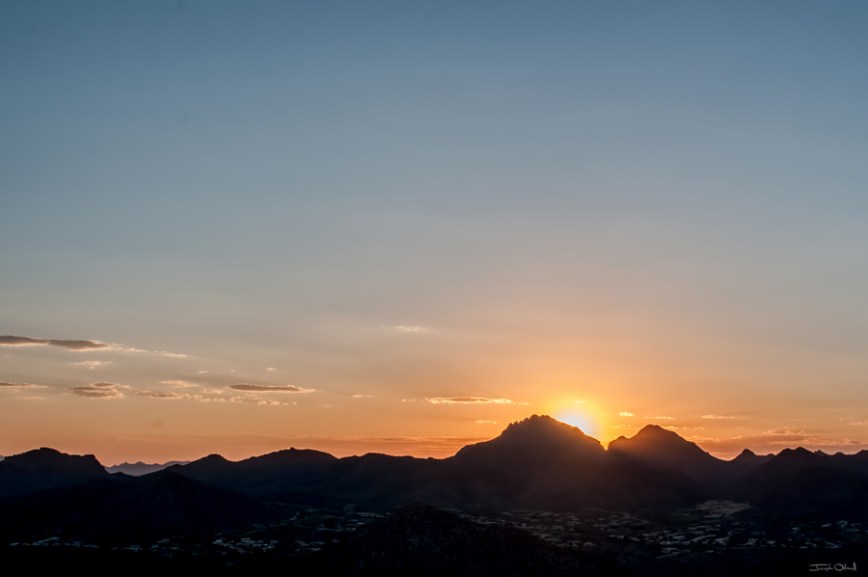
On the long road north through Oracle and Catalina, the state route winds through a series of small mining towns, the first of which is a nearly-dead little hamlet called Mammoth. Several years ago, the smokestacks from the local smelt were dynamited and razed to the ground. Aside from local sheriffs patrolling the main roads and taking advantage of speed traps, there isn’t much here to speak of. Abandoned cars, heaps of illegally dumped garbage, and two gas stations represent most of what remains.

Once upon a time there was industry here. Today, it’s a way-station, a dusty relic from the early years of the twentieth century. Double-wide trailers and rusted pick-up trucks dot the landscape; plywood panels obstruct the busted windows of the failed and abandoned old-world businesses.

It has been about fifteen years since I passed through this territory. Even though the garbage, collapsing buildings, and general despair, I think this is a uniquely beautiful place. The trailers are rotting beer cans in the desert, corroded and sinking into the earth. The unforgiving landscape is slowly reclaiming the territory. The cops are bored and the locals, even more-so. But the expanding valley, stretching out to the north, still provides some of the most glorious sunsets a human being can witness.

SEE YESTERDAY’S IMAGE OF THE DAY
– – –
SIGN UP FOR THE LENSEBENDER NEWSLETTER

March 25, 2017 – Life In Mexico

FINE ART PRINTS AVAILABLE HERE
– – –
OTHER ‘IMAGE OF THE DAY’ PRINTS AVAILABLE HERE

I always try to stay at the same hotel when I visit Creel. I’ve had a couple of not-so-pleasant experiences at other places, but Hotel Taramuri has always been a pleasant experience, with an open courtyard, fountains, and a calm and quiet atmosphere. I remember the first time I traveled here, and it was such a stupid and silly relief to use the internet connection to watch an American sitcom; after the stress of struggling with a language I’m not too terribly talented at, climbing my tired-ass upstairs to the corner room and watching an episode of Community was just what I needed to recharge my battery.

Right around the corner from the hotel is my favorite restaurant, with excellent tacos de barbacoa, fresh and delicious flan, and the best homemade salsa this side of the equator. There is a peace and quiet to this part of town, just on the edge, just close enough to the restaurants and shops, but just tucked-away enough to enjoy some good old-fashioned peace and quiet.

SEE YESTERDAY’S IMAGE OF THE DAY
– – –
SIGN UP FOR THE LENSEBENDER NEWSLETTER

March 24, 2017 – Rarámuri Runner

FINE ART PRINTS AVAILABLE HERE
– – –
OTHER ‘IMAGE OF THE DAY’ PRINTS AVAILABLE HERE

This is one of the only traditional Rarámuri men I saw during this entire trip. Not wearing modern clothing, he instead wears hand-made clothing that designates him as a traditional Tarahumara runner. If you look closely, you’ll see his hand-made sandals, constructed out of used truck tire rubber.

Originally inhabitants of much of the state of Chihuahua, the Rarámuri fled into the high sierras and canyons of the Copper Canyon region upon the arrival of the Spanish conquistadors in the 16th Century. As a result, the Rarámuri were never conquered, converted, or forcefully integrated; they maintain their own spiritual beliefs, lifestyle, and language (belonging to the Uto-Aztecan family). The area of the Sierra Madre Occidental which they now inhabit is often called the Sierra Tarahumara because of their presence.

It’s estimated that there are between 50,000 and 70,000 Rarámuri (Tarahumara) in existence. Most still practice a traditional lifestyle, inhabiting natural shelters such as caves or cliff overhangs, as well as small cabins of wood or stone. Staple crops are corn and beans, although many of the Rarámuri still practice transhumance, raising cattle, sheep, and goats.

SEE YESTERDAY’S IMAGE OF THE DAY
– – –
SIGN UP FOR THE LENSEBENDER NEWSLETTER

March 23, 2017 – Alcoholics Anonymous

FINE ART PRINTS AVAILABLE HERE
– – –
OTHER ‘IMAGE OF THE DAY’ PRINTS AVAILABLE HERE

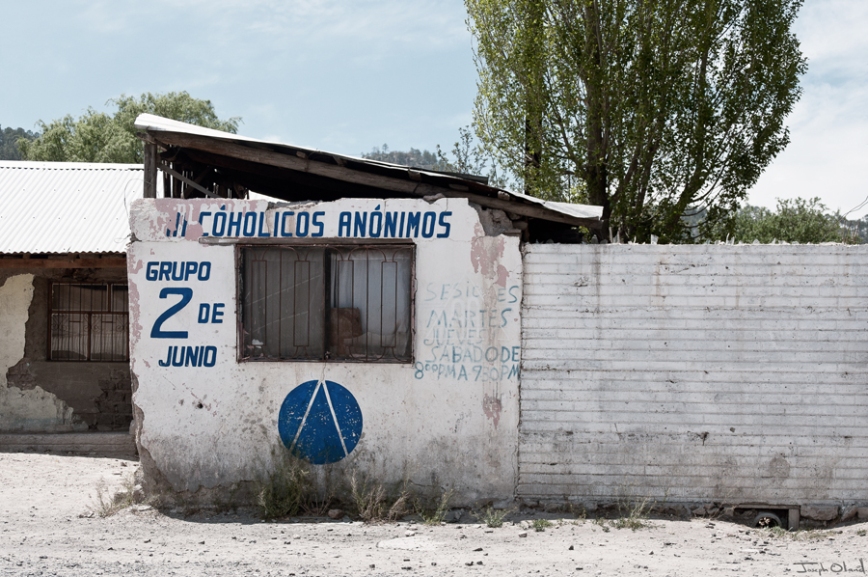
I certainly wouldn’t want to joke about a serious subject, or visit any disrespect on the institution, but I have to admit: this is the most depressing AA meeting place I’ve ever seen. Along the railroad tracks, in a back alley, in this ramshackle building, groups huddle around a single low-voltage light.

I like to imagine something good comes out of this place, but it just looks so woefully run-down.

But hey. People in need exist in all communities, be they large or small, rich or poor. I’m not sure how somebody can remain anonymous in such an incredibly small town, but it’s nice to know that this service is available to anybody who wishes to participate, even in the middle of an almost-forgotten, dusty little village in Mexico.

SEE YESTERDAY’S IMAGE OF THE DAY
– – –
SIGN UP FOR THE LENSEBENDER NEWSLETTER

March 22, 2017 – Walking Home

FINE ART PRINTS AVAILABLE HERE
– – –
OTHER ‘IMAGE OF THE DAY’ PRINTS AVAILABLE HERE

At the end of the day, as the sun begins to settle behind the pine-trees and mountaintops, villagers begin to build fires in their cast-iron stoves for cooking and for warmth. The smell of pine bark blankets the valley, as does a thin haze of smoke. Along the El Chepe railroad line, Tarahumara families start the long walk home; most of them live in small ranch houses several miles outside of town.

The comparison is interesting – most of the women wear the traditional, brightly colored dresses of the Tarahumara, but the men almost all wear modern clothing, as you can see in  today’s image. After selling hand-woven bear-grass baskets and colorful shawls in the town square, everybody picks up and heads home. It’s a relatively simple life, but most of the Tarahumara seem very content. Violence is rare among the Tarahumara, and they take pride in boasting little to no sexual violence.

There’s beauty in simplicity, I suppose, and the Tarahumara seem to be an incredibly calm and peaceful people.

SEE YESTERDAY’S IMAGE OF THE DAY
– – –
SIGN UP FOR THE LENSEBENDER NEWSLETTER

March 21, 2017 – More Mexican Coke

FINE ART PRINTS AVAILABLE HERE
– – –
OTHER ‘IMAGE OF THE DAY’ PRINTS AVAILABLE HERE

I wasn’t joking with yesterday’s image-of-the-day. Try as one might, there’s no way to avoid Coca-Cola while traveling through Chihuahua, Mexico. In addition to the plague of sugar-infused, diabetes-inducing shit-water, this image also points to another serious problem south of the border: stray animals.

Stray dogs are common in the small towns in northern Mexico. There are few services to spay and neuter these animals, so they wander, wild, through the cities, rummaging through trash bins and begging from the arrival platform at the train station. It’s a different experience altogether. Local children are taught to keep these animals away, and for good reason; feral cats and dogs are unpredictable and they carry disease. On the surface, it seems cruel and awful to watch five-year-old children kicking dogs in the face, but what they’re really doing is making sure they don’t touch the feral animal and expose themselves to illness.

Beyond the poverty I’ve seen in Mexico, it’s the necessary neglect of wild dogs that breaks my heart.

SEE YESTERDAY’S IMAGE OF THE DAY
– – –
SIGN UP FOR THE LENSEBENDER NEWSLETTER

March 20, 2017 – Coca Cola

FINE ART PRINTS AVAILABLE HERE
– – –
OTHER ‘IMAGE OF THE DAY’ PRINTS AVAILABLE HERE

If you’ve never traveled to Mexico before, let me just say this: Coca-Cola has won the soda wars with our neighbors to the south. Sorry, Pepsi, but you have lost. You can’t travel to a single town in Chihuahua without seeing the Coca-Cola logo emblazoned on billboards, grain elevators, street vendor carts, store fronts, public walls, and personal apparel (t-shirts, sweaters, baseball baps, backpacks).

It’s surreal.

While I can’t confirm this, I’m confident that the average Mexican drinks more soda than water. The native Tarahumara, including the smallest children, seem to be sipping from Coca-Cola bottles more than water bottles. And this makes some sense, even though it’s tragic; a liter of Coca-Cola is actually more affordable than a liter of bottled water. Just like us Americans, diabetes and obesity have become serious health issues for an ungodly number of Mexicans, and the affordability of soft-drinks (and the lack of clean water) is likely the culprit.

Today’s photo is but one example. You cannot escape the red-and-white logo. Outlandishly, it’s everywhere.

SEE YESTERDAY’S IMAGE OF THE DAY
– – –
SIGN UP FOR THE LENSEBENDER NEWSLETTER

March 19, 2017 – Tumamoc Hill

FINE ART PRINTS AVAILABLE HERE
– – –
OTHER ‘IMAGE OF THE DAY’ PRINTS AVAILABLE HERE

And for just a little break from my Mexico pictures, we’re back in Tucson for today’s photograph.

I moved to Tucson in 2001 to attend the University of Arizona College of Fine Arts and to work at The Center For Creative Photography. In that time, I stayed in cabins on Mount Lemmon in Summerhaven, hiked trails in Sabino Canyon, and I’ve ridden my bicycle up and down just about every road in town. I’ve camped in the pine forests on Mount Bigelow, and trundled along countless canyons in the foothills. In all that time, I have never actually walked the meager one or two miles up to the summit of Tumamoc Hill.

It took a special woman in my life suggesting that we drive out to the base and walk up the trail. I had no idea how popular this little walk is; the footpath was teeming with people of all ages and sizes, heading to the top around sunset.

SIGN UP FOR THE LENSEBENDER NEWSLETTER

March 18, 2017 – Military Macaws

FINE ART PRINTS AVAILABLE HERE
– – –
OTHER ‘IMAGE OF THE DAY’ PRINTS AVAILABLE HERE

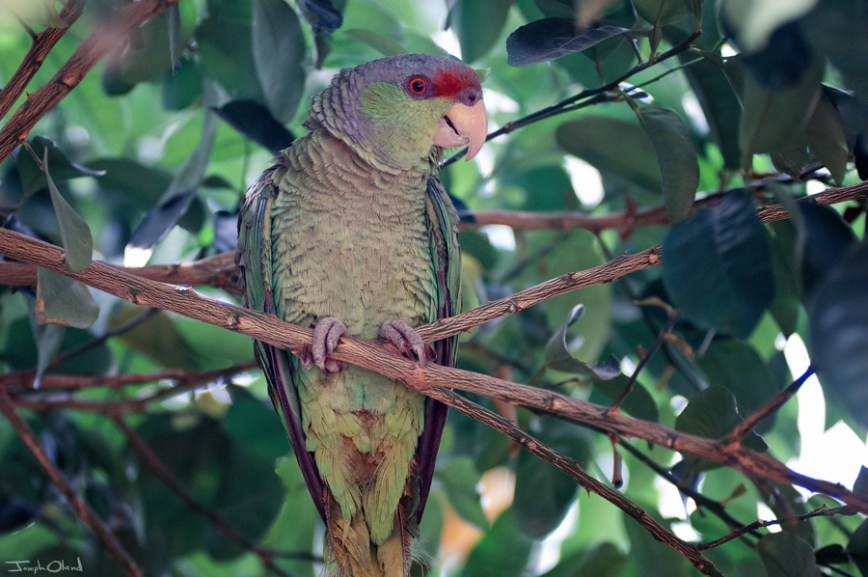
In the tropical forests surrounding the riverside village of Urique, hikers can stumble across chili peppers, bananas, oranges, and papaya growing wild. In the slot canyons, guerilla crops of marijuana dot the landscape. And high in the treetops, flocks of military macaws (named for their green plumage, resembling a military parade uniform) squawk and socialize.

During the winter season, it’s difficult to find these macaws, but in the springtime the flourish.
And they make quite a ruckus

Hiking to the hilltop village of Naranjo, I filled my backpack with wild oranges and red ripened chili peppers. I had been hiking the forests for several days without spotting a single military macaw, and was resigned to not see any during this particular trip. It was March, after all, and the season had only just begun to change. But as I climbed the hill, through the rough-hewn circuit of hiking trails and patches of marijuana fields, I was delighted to hear the loud cracking and shrieking sounds of a macaw. Knowing that they live in large groups, I was confident there would be more than just the one.

Today’s photograph is one macaw in particular that I kind of made friends with. These birds can live up to sixty years in the wild, and they are a rowdy, social bunch. I managed to teach this one my name, Joe, and he definitely enjoyed hamming it up for the camera.

SEE YESTERDAY’S IMAGE OF THE DAY
– – –
SIGN UP FOR THE LENSEBENDER NEWSLETTER